
EMESRT Fire Incident Data Taxonomy Workshop
The EMESRT Fire Working Group brought together fire system designers, OEMs, operators, maintenance teams and regulators to progress one of the industry’s more challenging areas: meaningful fire incident data capture. EMESRT’s lead for this project, Chris Jensen, commented that, “One key insight stood out. Fire investigations are not linear. Depending on where you sit in the incident timeline, operator, investigator, OEM, regulator, you see a different version of the same event. An operator may complete an initial one-page report. A regulator may require detailed structured data. An OEM may only see the technical failure. Each perspective is valid, but they don’t always connect.”
That disconnect creates gaps.
In the workshop we:
1. Consolidated stakeholder problem statements to clarify what each group genuinely needs from incident data
2. Tested whether our draft taxonomy headings actually support those needs
3. Identified where “other” categories reduce the usefulness of analysis
4. Agreed further refinement is required before the tool is ready for broader industry use
We are now refining the data capture tool so it becomes practical, structured and usable, not just comprehensive.
An important question also emerged: where should this tool live?
For now, we will look to host a static version within the EMESRT Body of Knowledge. Longer term, we will determine whether a live or third-party solution better supports industry-wide consistency.
If we want to reduce equipment fire risk, we need more than reports, we need aligned, structured insight that works across stakeholders and across jurisdictions.
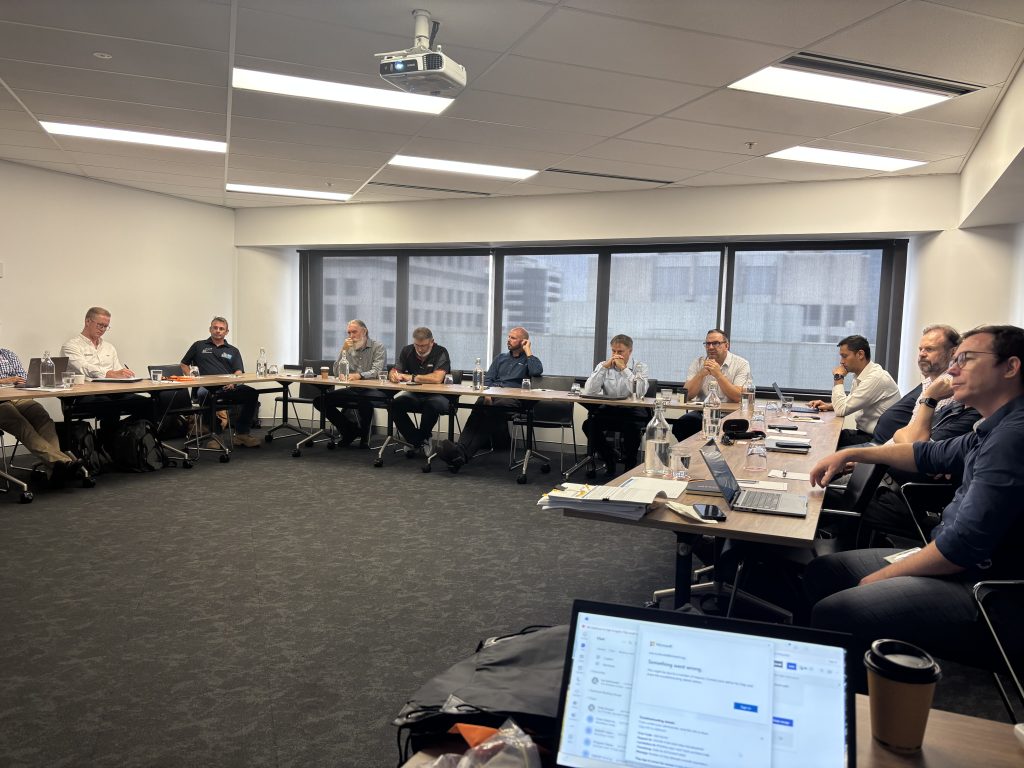
EMESRT Fire Equipment Improvement Taxonomy Workshop